
What Is a Gabion? Anatomy of a Deceptively Simple Idea
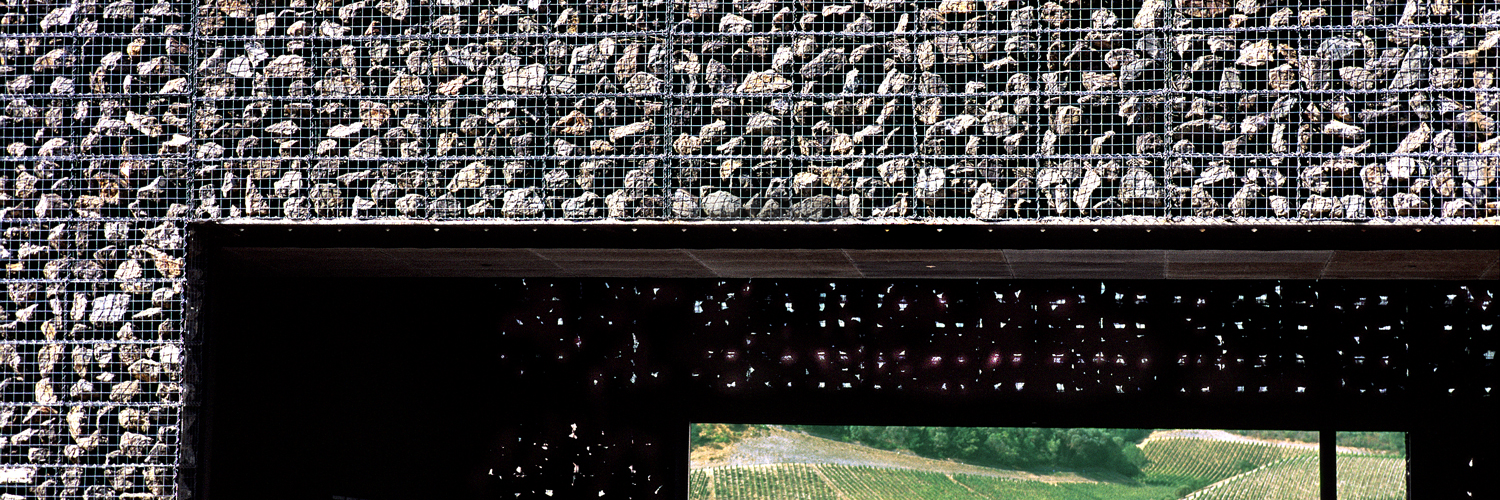
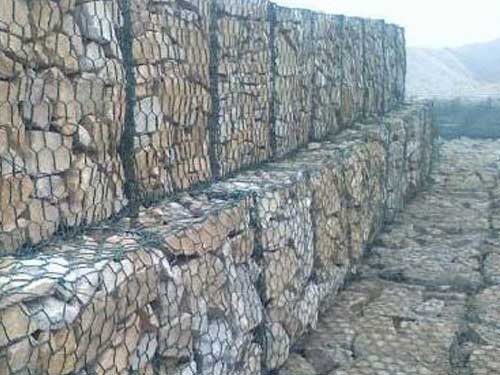
Walk along almost any modern riverbank, highway cutting, or seawall and you may notice a peculiar kind of wall: not poured concrete, not stacked brick, but a rectangular cage of woven wire, tightly packed with rough stone. This is a gabion, and despite its plain appearance, it is one of the quietly ingenious workhorses of civil engineering.
The word is itself a small history lesson. "Gabion" descends from the Italian gabbione, an augmented form of gabbia, meaning cage, which traces back further to the Latin cavea — a hollow or enclosure. English adopted the term, via French, by the mid-1500s, when it described woven baskets filled with earth to shield artillery crews during siege warfare. The core idea — contain loose material inside a flexible shell to create something structurally useful — has barely changed in five centuries, even as the materials have been transformed.
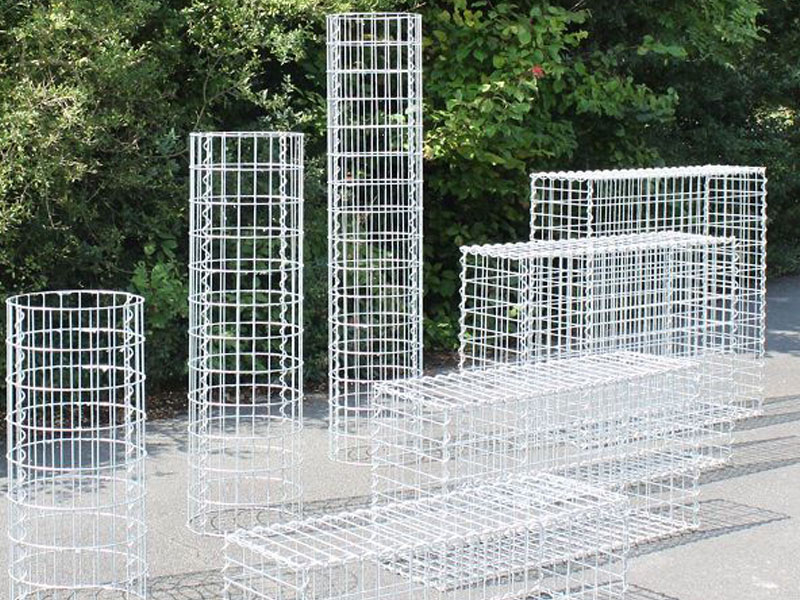
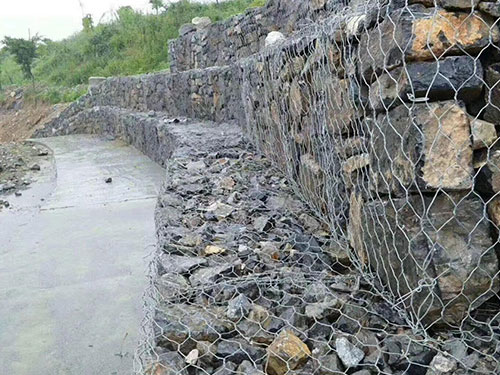
A modern gabion is, at its simplest, a welded or woven steel-wire container filled on site with hard, durable rock. Laced shut, a single unit can weigh well over a tonne; stacked course upon course and tied together, a row of them becomes one continuous, heavy, remarkably stable mass. That mass is the whole point. A poured concrete wall resists earth or water pressure through rigid strength. A gabion structure instead relies mainly on sheer weight and friction between the stones, while the many small gaps between the rocks let water pass freely through rather than build up against a solid face.
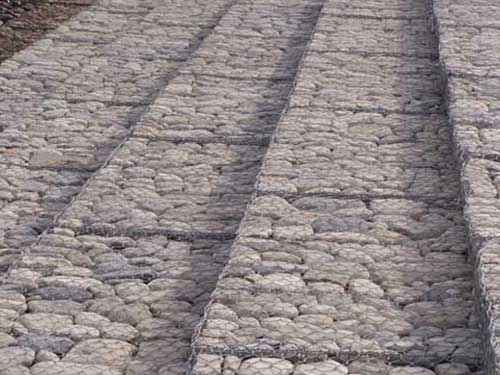
That combination of heaviness, permeability, and modest flexibility explains why gabions turn up in such a wide range of settings. Engineers use them to build retaining walls along roads and railway cuttings, to armor riverbanks and canal beds against erosion, to construct low seawalls and groins, and to line drainage channels. Architects have even used them, in at least one striking case, as an outer wall material for a building. A distant military descendant, the collapsible, fabric-lined "Concertainer" better known by the brand name HESCO, still protects forward operating bases and reinforces emergency flood levees today.
None of this requires exotic technology. A gabion asks for little more than wire, stone, and basic labor — which is exactly why the idea has proven so durable.
Check more information about gabions?
Tell us your request and get a free quote